7 Benefits of Senior Care in a Specialized Memory Care Community
Business Name: BeeHive Homes of Helena
Address: 9 Bumblebee Ct, Helena, MT 59601
Phone: (406) 457-0092
BeeHive Homes of Helena
With so many exceptional years of experience, the caretakers at Beehive Homes have been providing compassionate and personalized care for aging loved ones. Beehive Homes distinguishes itself through a higher level of assisted living licensed care (categories A, B, and C) that allows our residents to make the most of their golden years. Our skilled nurses provide adult residential living, memory care, hospice, and respite services to build and maintain a fulfilling and safe atmosphere for retirees. So please give us a call to schedule a free assessment, or visit our website to learn more about what Beehive Homes can do to ensure that your loved ones are given the best possible home.
9 Bumblebee Ct, Helena, MT 59601
Business Hours
When a family members starts discovering missed drugs, repeated inquiries, unexplained agitation, or a loved one straying at weird hours, the discussion around care adjustments fast. What when seemed like a short-lived demand for help with dishes or house cleaning can end up being a much deeper concern regarding safety, self-respect, and everyday lifestyle. That is where a specialized memory care community can make a genuine difference.
Memory care is not simply senior care with a various name. It is a type of elder care created for people dealing with Alzheimer's condition, dementia, and other memory-related conditions. The most effective neighborhoods are developed around foreseeable routines, trained caregivers, secure surroundings, and a great deal of perseverance. For family members looking for memory care near me or contrasting senior living near me choices, that field of expertise matters more than many people realize.
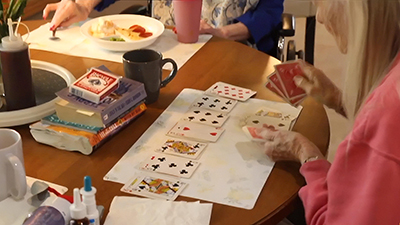
I have actually seen families wait much also long due to the fact that they presumed a loved one just needed a little added aid. In truth, the concealed concern frequently drops on partners, grown-up kids, and also grandchildren who quietly end up being caretakers overnight. Specialized memory care provides the individual coping with cognitive decrease a more secure, a lot more organized daily life, while additionally giving family members something similarly vital: room to take a breath, visit with less tension, and go back to being family.
A setup constructed for memory loss, not adapted for it
The first and most obvious advantage is that a specialized memory care area is created around the realities of cognitive decrease from the ground up. That sounds basic, however it alters every little thing. Hallways are simpler to navigate. Usual locations are arranged to decrease confusion. Doors, leaves, and outside spaces are protected to assisted living BeeHive Homes lower the risk of straying. Lighting is typically picked to lower shadows that can be disturbing for citizens with dementia. Also the colors on the wall surfaces, floor covering patterns, and signs are chosen with intention.
This type of setting can protect against day-to-day stress prior to it begins. An individual with memory loss may not have the ability to explain why a lengthy passage feels frustrating or why a mirrored wall surface appears to include an additional individual. A tactical memory care community expects those stress factors and eliminates them. That is a significant benefit over trying to make a basic setting resolve improvisation.
Families typically observe the distinction within the very first visit. As opposed to listening to locals asking consistently where they are, they see calmer movement, even more positive strolling, and fewer moments of noticeable panic. That may seem small, but for someone that copes with confusion everyday, small renovations change the form of life.
1. Safety without making life feel institutional
Safety is typically the factor households begin considering memory care. It could be a range left on, a front door discovered open in the center of the night, or a telephone call from a neighbor that saw a loved one roaming down the block. These moments are frightening, and they have a tendency to show up after months of smaller warning signs.
Specialized memory care areas focus on reducing those risks while still protecting flexibility. Homeowners are not locked away from life, yet they are shielded from the most unsafe spaces in judgment. Team member understand how to redirect someone that is attempting to leave, exactly how to respond if a resident becomes dizzy, and exactly how to step in before a minor issue develops into an emergency.
The objective is not to regulate every activity. It is to develop a level of supervision that matches the person's real needs. That distinction issues because way too much limitation can be equally as damaging as insufficient oversight. A thoughtful area finds the balance. Homeowners can stroll, socialize, get involved, and rest with much less risk than they would have living alone or in a setting not planned for memory loss.
For numerous families, this alone warrants the action. They are no more awakening at 2 a.m. Worried that somebody has left the house, dropped, or become shed. That decrease in consistent alertness can be life-altering.
2. Daily regimens that decrease anxiousness and confusion
People living with dementia typically do far better when the day has a clear form. Morning meal at a regular time, acquainted faces, a foreseeable rhythm to dishes and activities, and a tranquil going to bed regimen can all lower agitation. This is where memory care truly stands apart from more basic senior care.
In a specialized memory care neighborhood, regimens are not inflexible for the sake of effectiveness. They exist since repeating provides comfort. When a resident knows what happens next, the globe really feels less disorderly. That sense of predictability can minimize sundowning, lessen mood swings, and make changes easier.
I have viewed locals work out when they acknowledge the same caregiver who helped them yesterday, or when a music program begins the method it did the week in the past. Knowledge reduces the need to process new information regularly. For somebody whose temporary memory is unreliable, that alleviation is not minor. It preserves power and minimizes agitation.
Routines additionally aid caretakers. Staff can much better detect modifications in cravings, rest, movement, or state of mind when they recognize what is regular for a certain resident. That type of pattern recognition is just one of the peaceful toughness of memory care. It enables teams to observe the early indications of health problem, discomfort, infection, or a medicine concern before it comes to be a crisis.
3. Caregivers that understand dementia behavior
Memory loss influences a lot more than recall. It can modify language, judgment, perception, and emotional guideline. A person that appears persistent, protective, withdrawn, or angry might in fact be terrified, overstimulated, in pain, or incapable to understand what is happening. That is why staff training matters so much.
In a specialized memory care community, caretakers are taught to read actions as interaction. If somebody rejects bathing, it may not be about being challenging. The water may really feel also chilly, the room also noisy, or the job too individual at that moment. If a resident keeps asking for a parent that passed away years ago, suggesting regarding facts seldom aids. A trained caretaker will redirect with compassion instead of correction.

This kind of skill is difficult to determine from the outdoors, however family members feel it rapidly. Their loved one is approached with perseverance rather than impatience. There is less pressure to execute, keep in mind, or explain. The caretaker is not asking the resident to adapt to the personnel. The team adapts to the resident.
That change in technique can protect against countless conflicts. It can additionally maintain dignity. An individual with dementia should not invest the day being dealt with for signs they can not control. Specialized memory care provides a more gentle path.
4. Better nutrition, drug support, and wellness monitoring
An unexpected variety of families first discover decline with the basics. The cupboard is full, however dishes are skipped. Expired food piles up. Medicine bottles are missed out on or doubled. Weight goes down. Dehydration sets in. None of these concerns is dramatic by itself, however with each other they can spiral quickly.
Memory care neighborhoods give framework around meals, hydration, and medicine administration. Citizens are reminded to eat, encouraged to consume fluids, and sustained via jobs that can become complicated as memory loss proceeds. Team watch on modifications in appetite or swallowing, both of which can change over time. Meals are commonly designed to be accessible and appealing, with adequate uniformity to really feel acquainted and sufficient adaptability to fit transforming choices or needs.
Medication administration is one more major benefit. Several older grownups cope with several prescriptions, and taking them inaccurately can bring about drops, confusion, sleep problems, or significant interactions. In memory care, medicine assistance is managed by skilled staff that follow timetables very carefully and watch for adverse effects or adjustments in condition.
This is one location where family members frequently really feel a prompt sense of alleviation. No more asking yourself whether a pill was failed to remember, duplicated, or taken with the wrong meal. For a person whose memory is undependable, that support can reduce medical difficulties and aid them stay steadier overall.
5. Significant social connection, even for withdrawn residents
One of the cruelest components of dementia is just how quickly it can diminish a person's world. Somebody that made use of to host suppers, volunteer, or speak on the phone for hours may become peaceful and separated. The loss is not just cognitive. It is social.
A specialized memory care community develops everyday possibilities for connection, also for homeowners who do not seek it out. There might be music, folding towels, gardening, art, light workout, or small team conversations that are developed to be friendly as opposed to frustrating. The most effective programs are not built around keeping individuals hectic for appearances. They are built around interaction that feels possible.
Social link issues because solitude can strengthen confusion and anxiety. A resident who sits alone throughout the day might decline faster than someone who listens to familiar voices, shares a make fun of lunch, or participates in a basic task with others. Not every activity has to be elaborate. Often one of the most purposeful moments are average, like aiding set the table or vocal singing along to a song from the 1950s.
Families are usually amazed by this benefit. They expected care, but not a renewed spark. Yet I have actually seen citizens who hardly spoke in your home begin to smile a lot more, make eye call, or take part a favored activity once they resolved into an area that understood just how to fulfill them where they are.
6. Alleviation for household caretakers, including respite care
Caregiving at home can be deeply loving, however it is also exhausting. The manual labor is one point, training, guiding, cleansing, preparing dishes, but the psychological stress can be just as hefty. Grown-up children typically try to balance job, kids, and elder care, while spouses silently lug a 24-hour responsibility that leaves little area for remainder. Gradually, that pressure can cause burnout, bitterness, pain, and illness of their own.
Specialized memory care offers a various rhythm. Families can step out of the function of full-time caretaker and return to being little girl, child, partner, or grandchild. That adjustment is more important than people sometimes admit. Visits become less regarding managing danger and even more about link. A daughter can come sit with her mother and hold her hand without investing the whole visit arranging medications or bothering with a straying episode.
For family members who are not prepared for a permanent move, respite care can be an essential bridge. Temporary remains offer caretakers an opportunity to remainder after surgery, traveling, or a tough stretch in the house. They likewise give family members a functional means to test whether memory care feels like the right fit prior to making a long-term decision.
Respite care is not a high-end. It becomes part of sustainable elder care. A worn-down caregiver can not supply constant assistance permanently. Often the kindest point a family members can do is recognize that limitations exist and utilize professional aid before the circumstance becomes unsafe.
7. Assistance for dignity, identity, and the altering person
A good memory care community does not deal with homeowners as a diagnosis. It treats them as individuals with backgrounds, routines, preferences, and psychological lives that still issue. That might seem radical, but the most reliable communities do this in sensible methods every day.
They discover what a resident likes to be called. They ask household regarding favored foods, previous job, military solution, pastimes, religious traditions, and the songs that still brings convenience. They notice whether somebody is calmer after a walk, whether he favors coffee in a blue mug, or whether she feels more based when she is seated near a home window. These details develop count on. They also aid staff maintain identity in small, concrete ways.
Dementia can remove language and memory, yet it does not get rid of the need to feel reputable. As a matter of fact, that need might grow stronger as abilities alter. A resident who no longer bears in mind yesterday still deserves choices today. Which coat really feels right? Would he rather rest near the activity space or by the garden? Does she choose a quieter lunch table?
Those choices, nonetheless small, strengthen dignity. They tell the resident that life still comes from them in some significant means. That is just one of the inmost advantages of specialized memory care, and it is very easy to miss out on if you only contrast settings by square footage or cost.
What families need to search for when contrasting communities
Choosing memory care is personal, and no two areas feel precisely alike. A refined website is not enough. Family members looking for memory care near me or senior living near me should spend time on the ground, ask useful questions, and watch just how team engage with residents who are out display for a tour.
The right area normally feels tranquil instead of busy, alert instead of hurried. Personnel ought to be able to clarify just how they deal with straying, medication assistance, personal care, household interaction, and behavior adjustments. They should additionally be straightforward regarding what they can and can not do. An excellent neighborhood does not promise an excellent experience. It explains exactly how it reacts when reality gets complicated.
It additionally assists to pay attention to the homeowners themselves. Do they seem settled? Are they involved? Do personnel know their names? Are people being spoken to respectfully? Those observations frequently tell you more than a brochure ever before could.
If feasible, visit at various times of day. A community can feel extremely different at morning meal than it does late mid-day, when several locals are a lot more tired or flustered. Ask whether the group can define the care plan procedure, household involvement, and just how they adapt as demands change over time. Great senior care must expand with the person, not require the individual to fit the program.
The much deeper value of specialized care
The real benefit of memory care is not just that it maintains individuals much safer. It is that it reshapes the daily experience of aging with cognitive decrease into something a lot more workable, extra gentle, and commonly a lot more peaceful. A specialized memory care area gives structure where confusion has taken hold. It provides member of the family space to recover from the stress of caregiving. It provides homeowners a possibility to be seen as entire individuals, not just a collection of losses.
That is why families often feel such a mix of despair and alleviation when they ultimately make the relocation. Both responses make sense. Releasing home is hard. Admitting that a loved one needs more support can be painful. Yet when the best area is selected, many families see something else too. The continuous side softens. Dishes obtain much easier. Sleep boosts. Conversations become warmer. There is much less clambering, much less concern, and more space for connection.
Specialized memory care is not the response to every circumstance, but also for several older adults dealing with dementia, it is one of the most thoughtful type of elder care available. It incorporates defense, regular, know-how, and concern in such a way that ordinary settings seldom can. For family members that have actually invested months or years attempting to wait with each other, that mix can be the difference between enduring and absolutely caring for someone well.
BeeHive Homes of Helena provides assisted living care
BeeHive Homes of Helena provides memory care services
BeeHive Homes of Helena provides respite care services
BeeHive Homes of Helena supports assistance with bathing and grooming
BeeHive Homes of Helena offers private bedrooms with private bathrooms
BeeHive Homes of Helena provides medication monitoring and documentation
BeeHive Homes of Helena serves dietitian-approved meals
BeeHive Homes of Helena provides housekeeping services
BeeHive Homes of Helena provides laundry services
BeeHive Homes of Helena offers community dining and social engagement activities
BeeHive Homes of Helena features life enrichment activities
BeeHive Homes of Helena supports personal care assistance during meals and daily routines
BeeHive Homes of Helena promotes frequent physical and mental exercise opportunities
BeeHive Homes of Helena provides a home-like residential environment
BeeHive Homes of Helena creates customized care plans as residents’ needs change
BeeHive Homes of Helena assesses individual resident care needs
BeeHive Homes of Helena accepts private pay and long-term care insurance
BeeHive Homes of Helena assists qualified veterans with Aid and Attendance benefits
BeeHive Homes of Helena encourages meaningful resident-to-staff relationships
BeeHive Homes of Helena delivers compassionate, attentive senior care focused on dignity and comfort
BeeHive Homes of Helena has a phone number of (406) 457-0092
BeeHive Homes of Helena has an address of 9 Bumblebee Ct, Helena, MT 59601
BeeHive Homes of Helena has a website https://beehivehomes.com/locations/helena/
BeeHive Homes of Helena has Google Maps listing https://maps.app.goo.gl/YUw7QR1bhH7uBXRh7
BeeHive Homes of Helena has Facebook page https://www.facebook.com/beehivehelena/
BeeHive Homes of Helena has an YouTube page https://www.youtube.com/user/BeeHiveCare
BeeHive Homes of Helena won Top Assisted Living Homes 2025
BeeHive Homes of Helena earned Best Customer Service Award 2024
BeeHive Homes of Helena placed 1st for Senior Living Communities 2025
People Also Ask about BeeHive Homes of Helena
What is BeeHive Homes of Helena Living monthly room rate?
The rate depends on the level of care that is needed. We do an initial evaluation for each potential resident to determine the level of care needed. The monthly rate is based on this evaluation. There are no hidden costs or fees
Can residents stay in BeeHive Homes until the end of their life?
Usually yes. There are exceptions, such as when there are safety issues with the resident, or they need 24 hour skilled nursing services
Do we have a nurse on staff?
No, but each BeeHive Home has a consulting Nurse available 24 – 7. if nursing services are needed, a doctor can order home health to come into the home
What are BeeHive Homes’ visiting hours?
Visiting hours are adjusted to accommodate the families and the resident’s needs… just not too early or too late
Do we have couple’s rooms available?
Yes, each home has rooms designed to accommodate couples. Please ask about the availability of these rooms
Where is BeeHive Homes of Helena located?
BeeHive Homes of Helena is conveniently located at 9 Bumblebee Ct, Helena, MT 59601. You can easily find directions on Google Maps or call at (406) 457-0092 Monday through Sunday Open 24 hours
How can I contact BeeHive Homes of Helena?
You can contact BeeHive Homes of Helena by phone at: (406) 457-0092, visit their website at https://beehivehomes.com/locations/helena/, or connect on social media via Facebook or YouTube
You might take a short drive to the Holter Museum of Art. The Holter Museum of Art offers a calm gallery environment ideal for assisted living and memory care residents during senior care and respite care outings.